
Career advice from someone who has lived the decisions you’re facing.
I have left a traditional corporate career, built a profitable side business, joined venture-backed startups, managed teams, advised founders, coached hundreds of MBA students and alumni, and worked inside one of the world’s most consequential technology organizations.
That experience does not give me the answers, but it gives me the questions and the judgment to help you make the decisions that are best for you and your career.
About me
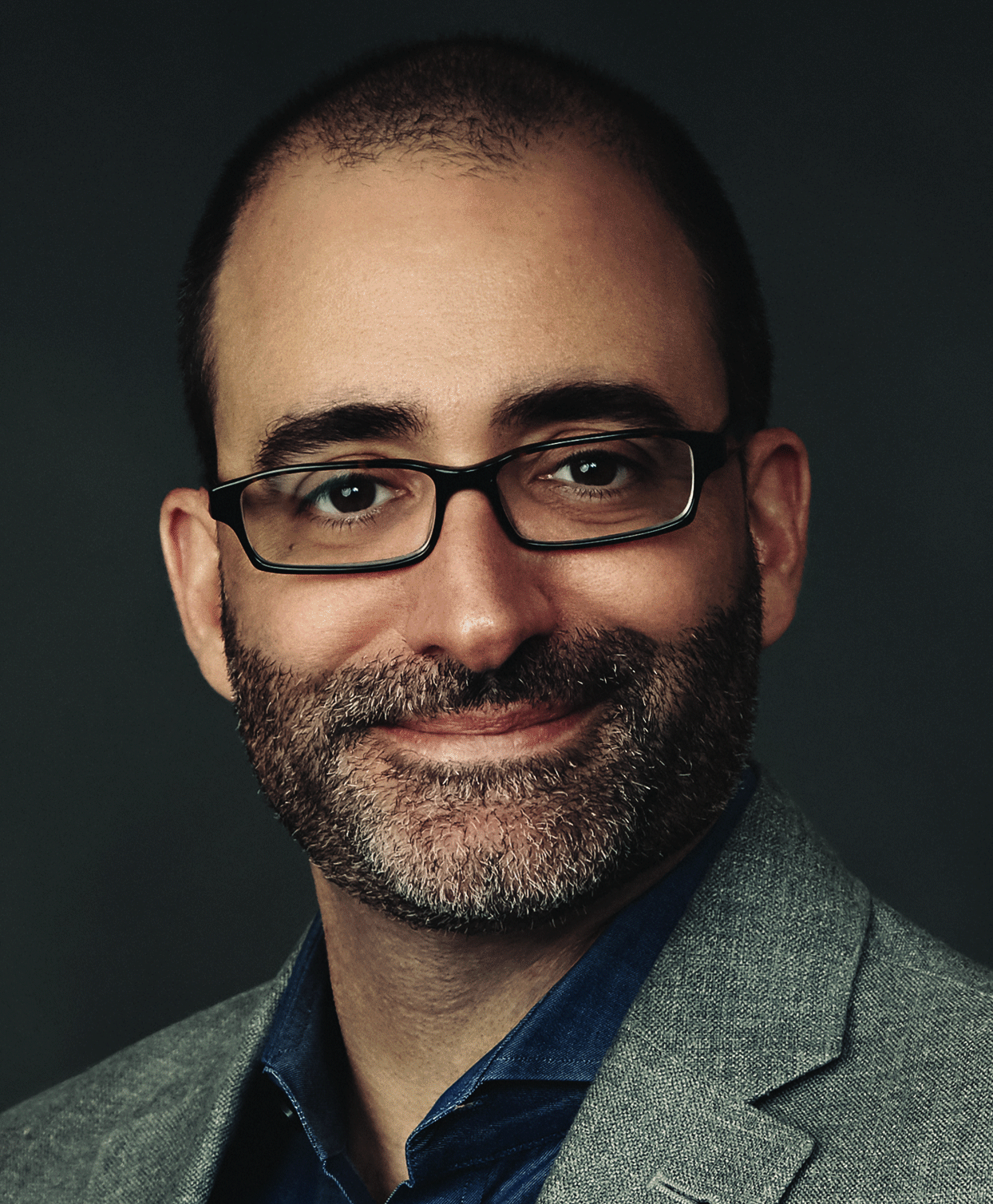
I did not follow a straight career path. That is part of what makes me useful as a coach.
I am a first-generation college graduate who began my career at Fidelity Investments after graduating from Boston College in only three years. I later earned an MBA from Columbia Business School and after my dream of working at a startup disappeared with the dot-com bust, I went to work to Citigroup, where I hacked my global rotational program and wound up living in Sydney, Australia for a time and later traveled the world as a corporate trainer.
While at Citigroup, I started an online business from my office. It became profitable enough for me to quit, giving me the runway to finally pursue my dream of working at a startup. I went on to build relationships across New York City’s early startup ecosystem, and turned that network into leadership roles at three different venture backed startups, culminating in my building the education business at General Assembly from the ground up.
I later served as Managing Director of Columbia Business School’s Eugene Lang Entrepreneurship Center and as a career coach for Columbia’s Career Management Office and the Cornell Johnson SC School of Business. I then went on to build the AWS Startups team’s university strategy, where I worked hands on with student and faculty founders from Harvard, MIT, Carnegie Mellon, Stanford, Berkeley and many of the other leading US universities. I later spent three years in Amazon’s AI business, before leaving to pursue coaching and writing full time.
Across those roles, I have advised thousands of founders, students, executives, and career changers. I have seen people make excellent career decisions, avoid bad ones, recover from mistakes, and create opportunities that did not initially exist.

The best coaching does not replace your judgment.
It improves it.
Personal, direct, and built around the situation, not Some coaching template.
I am at the opposite end of the spectrum from coaches who begin with standardized assessments, fixed curricula, and recurring homework. Our work starts with the actual decision, challenge, or uncertainty in front of you.
Sessions happen when they are useful. Between-session emails, quick calls, and document reviews are part of the relationship, not a separate meter running in the background.
Different paths. Similar hard decisions.
I work best with thoughtful, ambitious people who are willing to examine their assumptions and hear candid feedback. This includes:
Corporate professionals
Assess whether startup life is right for you, translate your experience, build a credible search strategy, and avoid a poorly matched leap.
Startup professionals
Navigate role ambiguity, leadership growth, difficult managers, compensation, internal politics, burnout, and the next move.
Founders
Think through cofounder dynamics, hiring, leadership, investor communication, strategy, resilience, and the emotional reality of building.
Executives and MBAs
Clarify what comes next, pressure-test opportunities, sharpen your narrative, and choose meaningful work rather than merely prestigious work.
Your Questions, Answered
Do you only work with people in startups?
No, but my experience is especially relevant to founders, startup employees, and professionals considering a move from a larger organization into a startup or entrepreneurial role.
Do I need to know what I want to be when I grow up?
Absolutely not! You do not need to arrive with a polished story or a five-year plan. Most people do not know what their career north star is, and if that is you, we will work together to find what you want from your career and how to get it.
Do I need to commit to a package?
No. We can work together for one session, periodically, or more consistently. The cadence should serve the situation rather than a predetermined program.
Quick questions and document reviews between sessions are included.
What is your coaching style?
My coaching style is a mix of tactical advice and strategic through partnership. I am here to listen to you, to challenge you, and to guide you. I will be supportive, but I will not simply tell you what you want to hear.

Share what you’re working through.
Send a short note about your situation and what you hope coaching might help you accomplish. We’ll schedule a free 30-minute introductory conversation and decide whether there is a fit.